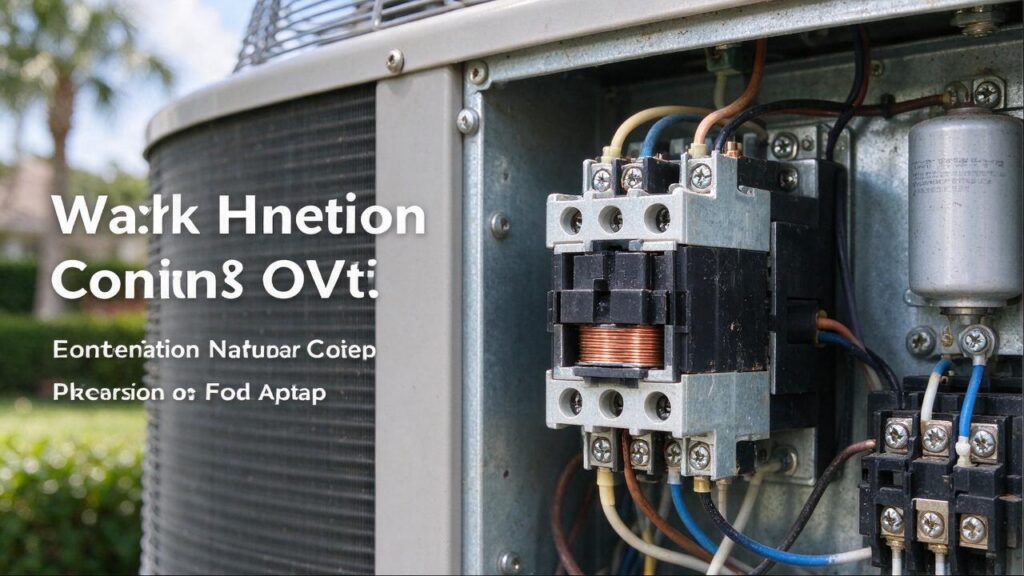
An air handler making noise can mean anything from normal operating sound to a developing mechanical or electrical problem. The sound alone does not confirm a diagnosis. Your job right now is simple: check for safety stop signs, gather a few safe observations, and let a qualified HVAC technician measure the system before any part is blamed or replaced.
This guide separates what you can safely notice from what only a technician should verify, so you can make a clear next decision instead of guessing.
When a Sound Is a Stop Sign
Some noises are worth watching. Others mean you should stop the system and request qualified help right away. Shut the system off and call for service if you notice any of the following:
- Smoke or an electrical burning smell coming from the air handler, vents, or equipment area.
- Repeated breaker trips when the cooling system starts or runs.
- Severe or suddenly loud noise that is clearly different from how the system normally sounds.
- Water contacting electrical components or unsafe moisture conditions near the equipment.
- A non-spinning outdoor fan while the system is running.
Any of these conditions changes your next step from observation to shutdown and service. Do not restart the system to “test” the noise after a stop sign appears.
Describe the Symptom Before You Decide Anything
“My air handler is making noise” is a starting point, not a diagnosis. The more precisely you can describe the sound, the more useful your service call becomes. Three characteristics matter most:
- Location: Is the sound coming from the indoor air handler itself, the supply or return vents, or somewhere along the duct path?
- Timing: Does the noise occur only at startup, only at shutdown, continuously while running, or intermittently?
- Character: Is it a hum, rattle, squeal, bang, click, or vibration you can feel through a floor or wall?
Write down what you notice. These details help a technician narrow likely causes faster, but they never replace actual measurement.
Safe Observations You Can Make
You can gather useful information without opening any panel or touching any electrical component. Stick to external, look-and-listen checks:
- Note when the noise happens relative to the cooling cycle.
- Check whether the air filter is visibly loaded with dust, if the filter slot is accessible from the outside.
- Listen for whether the noise changes when the system switches between fan-only and cooling modes.
- Notice any new odors. A musty smell points toward a possible airflow or moisture question; an electrical or burning smell is a stop sign, not an observation.
- Confirm whether airflow from the registers feels noticeably weaker than usual.
What you should not do: open the air handler cabinet, remove access panels, test or touch capacitors, bypass any safety control, or handle refrigerant. Electrical and refrigerant work is technician-only territory, and manufacturer warranty terms can depend on how equipment is serviced.
What a Technician Distinguishes
A noise is a symptom. Several different causes can produce a similar sound, which is why no honest answer comes from the symptom alone. A qualified technician uses measurements to separate possibilities, which may include checking:
- Airflow conditions, including filter condition and anything restricting air movement that could relate to the sound.
- Electrical components, tested with proper instruments rather than guesswork.
- Blower and motor condition, including mounting, wear, and balance.
- Loose or degraded panels, fasteners, or duct connections that can transmit or amplify noise.
- Refrigerant-related conditions, which require EPA-certified refrigerant handling practices when refrigerant work is performed.
The point of these checks is not just to quiet the noise. It is to verify the conditions that prevent repeat damage, so the same failure does not return a few weeks later.
What Changes the Next Decision
The same noise can lead to different decisions depending on context. Three factors most often change the urgency and the path:
- How the noise is evolving. A sound that is unchanged for months is a different situation from one that appeared this week and is getting louder.
- Whether new symptoms have joined it. Weak airflow, new odors, short cycling, or warm supply air alongside the noise raises the priority of service.
- System age and service history. An older system with a history of repairs may justify a broader conversation, while a newer system under active manufacturer coverage points toward warranty-aware repair practices.
None of these factors by themselves confirm a failed part. They change when you call and what you ask for, not the diagnosis itself.
Avoiding Repeat Damage
One of the biggest risks with a noise symptom is treating only the sound. If a root cause, such as an airflow restriction or an electrical weakness, is left unverified, the noise may return or a related component may fail next. This is why the technician’s role includes confirming the conditions around the symptom, not just silencing it.
Regular maintenance also fits here. Keeping filters serviced and having the system checked periodically supports the cooling-cycle basics described by the U.S. Department of Energy, and it gives a technician a baseline for noticing when something changes.
What Happens on a Service Visit
When you schedule service, expect the visit to follow the same logic as this guide: confirm the symptom, rule out safety concerns, measure the relevant conditions, and then explain findings before any repair decision. Velocity offers 24/7 repair availability, and same-day dispatch may be available when a technician is available. Velocity states that it does not add a separate night or weekend service charge.
To make the visit efficient, have this ready:
- When the noise started and whether it has changed.
- Where it seems loudest and what it sounds like.
- Any stop-sign symptoms you have already noticed.
- Whether the system has had recent service or filter changes.
Focused FAQs
How do I know whether air handler making noise needs service?
If any stop sign is present, such as smoke, burning odor, repeated breaker trips, severe noise, unsafe water contact, or a non-spinning outdoor fan, stop the system and request service. If none are present, make safe observations and monitor whether the noise changes. A noise that is new, worsening, or joined by other symptoms warrants a technician’s evaluation rather than continued waiting.
What information should I gather about air handler making noise before calling?
Record the noise’s location, timing within the cooling cycle, and character (hum, rattle, squeal, bang, or click). Note when it started, whether it is changing, and any accompanying symptoms such as weak airflow or odors. These observations help the technician, but they are information, not a diagnosis.
Can a homeowner safely fix air handler making noise?
Safe homeowner actions are limited to external observation, filter checks where the slot is externally accessible, and shutdown when a stop sign appears. Opening energized equipment, testing capacitors, bypassing safety controls, or handling refrigerant is not safe or appropriate homeowner work. Diagnosis and repair require a qualified HVAC technician.
What does a technician check for air handler making noise?
A technician measures rather than guesses: airflow and filter condition, electrical component health with proper instruments, blower and motor condition, loose panels or duct connections, and refrigerant-related conditions when applicable, using EPA-certified refrigerant handling practices for any refrigerant work.
When does air handler making noise become a repair-versus-replacement conversation?
That conversation typically follows a technician’s findings, not the noise itself. Factors that can bring it up include the system’s age, a pattern of repeated repairs, and whether the measured root cause points to a component repair or a broader equipment condition. Warranty terms and registrations vary by equipment and documentation, so coverage should be verified before deciding.