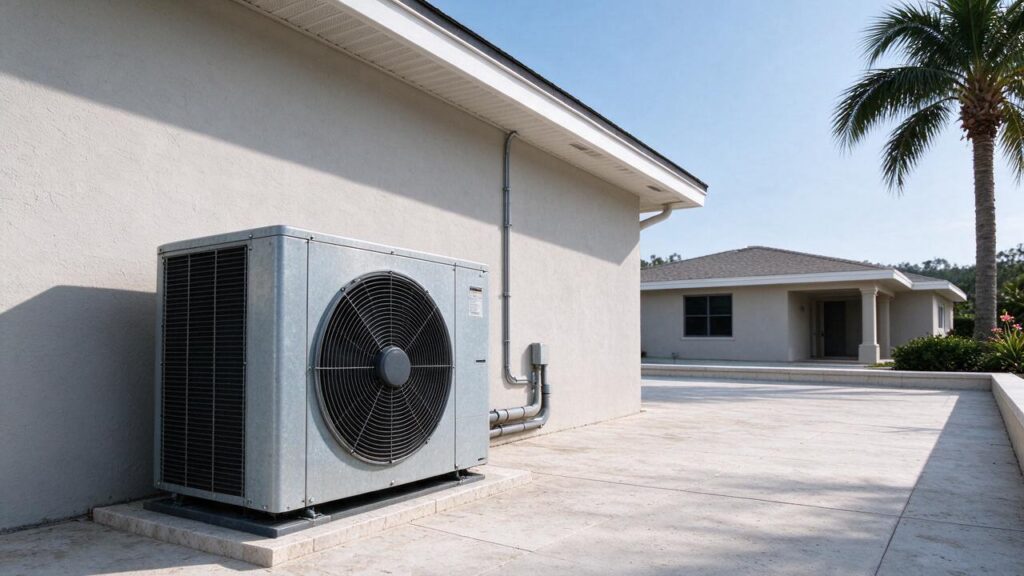
After a hurricane, an air conditioner can show several different symptoms, and more than one cause is usually possible. The safe first step is the same in almost every case: shut the system down at the thermostat, and if the outdoor unit has been in standing water or shows electrical warning signs, leave it off and request qualified help. What you can safely do on your own is limited to outside observations; confirming the actual cause requires a technician’s measurements and inspection.
What “Air Conditioner After Hurricane” Means in Practical Terms
The phrase describes the period after a storm when a cooling system may not run normally, or when you are unsure whether it is safe to run it at all. Common observations include a system that will not start, an outdoor unit that hums but does not cool, a tripped breaker, visible debris around the equipment, or water having been near the unit.
These are observations, not diagnoses. A system that will not start could have several explanations, from a tripped safety device to storm-related electrical issues elsewhere in the home. Only a qualified technician, measuring the system directly, can confirm what actually failed. Treating a symptom as a confirmed diagnosis often leads to the wrong repair or an unsafe restart.
Safety Stop Signs: When to Leave the System Off
Some conditions end the observation phase immediately. Stop the system and request qualified help if you notice any of the following:
- Smoke or a burning smell from the indoor or outdoor equipment.
- Signs of electrical burning, such as scorch marks or a hot, acrid odor near the panel or unit.
- Repeated breaker trips when the system tries to start.
- Unsafe water contact, including standing water in or around the outdoor unit or water intrusion at indoor equipment.
- Severe noise during operation, such as grinding, banging, or shrieking.
- A non-spinning outdoor fan while the unit appears to be running.
Any one of these is a reason to keep the system off until a technician evaluates it. Restarting equipment under these conditions can turn a repairable problem into a safety hazard.
Safe Observations You Can Make Before Service
If none of the stop signs above are present, you can still gather useful, non-invasive information. Do not open panels, remove covers, touch wiring, or handle refrigerant components. Safe observations include:
- Whether the thermostat responds and what it displays.
- Whether the breaker for the cooling system is on, tripped, or will not reset.
- Whether the outdoor unit is visibly damaged, dented, shifted, or buried in debris.
- Whether standing water ever reached the outdoor unit or indoor air handler.
- Whether the outdoor fan attempts to turn when the system is called to run.
- Whether the filter is visibly loaded with debris or moisture.
- Any unusual sounds or odors the last time the system ran.
Write these down with dates. Notes like “breaker tripped twice on Tuesday” or “water reached the base of the outdoor unit” give a technician real evidence instead of a vague symptom report.
What Changes the Next Decision
Not every post-storm situation follows the same path. Several conditions change how urgent the call is and what kind of service makes sense:
- Water exposure. Equipment that sat in standing water is a different situation than equipment that only saw wind-blown rain. Water contact with electrical components is a stop condition, and the extent of exposure is something a technician must verify.
- Visible physical damage. A dented cabinet or damaged fan guard may be cosmetic; damage to the coil, fan, or wiring is not. Only an inspection can tell the difference.
- Electrical behavior. A single tripped breaker that resets normally is different from repeated trips or a breaker that will not reset at all.
- Whether the system runs at all. A system that runs but cools poorly points toward a different evaluation than one that never starts.
- System age and prior condition. A system that already needed frequent repairs before the storm may reach a repair-versus-replacement conversation sooner than a newer, well-maintained one.
What a Qualified Technician Evaluates
A technician’s job is to replace guesswork with measurements. Depending on what you observed, that evaluation can include checking controls and electrical connections, inspecting coils and the condensate drain, verifying blower operation, and confirming safe refrigerant handling practices when refrigerant work is performed. These are the same maintenance and inspection boundaries ENERGY STAR describes for filters, drains, coils, controls, and blower checks, and they align with the U.S. Department of Energy’s guidance on cooling-system operation and maintenance.
Two boundaries matter here. First, a homeowner should never open energized equipment, test capacitors, bypass a safety control, or handle refrigerant; those tasks require qualified training and, for refrigerant, EPA-certified handling practices. Second, a technician’s findings, not the symptom alone, determine the diagnosis. Two systems with identical symptoms can have different causes.
The Next Decision: Maintenance, Repair, or Replacement
Once a technician has measured the system, the decision usually falls into one of three paths:
- Maintenance. If the storm left debris, a loaded filter, or a blocked drain but the system checks out, cleaning and routine service may restore normal operation. Regular filter and drain care is part of standard air conditioning maintenance.
- Repair. If a specific component failed and the rest of the system is sound, a targeted air conditioning repair is often the right call. Warranty-aware repair practices apply when manufacturer coverage remains active, and warranty terms and registrations vary by equipment and documentation.
- Replacement. When damage is extensive, when the system was already near the end of its service life, or when repair evidence points to repeated failures, a technician may present replacement as the better-supported option. This is an evidence-based conversation, not an automatic outcome of any single symptom.
In Florida’s hot climate, a cooling system that is down for long is more than an inconvenience, so it is reasonable to want a fast answer. Velocity offers 24/7 repair availability, and same-day dispatch may be available when a technician is available. Velocity also states that it does not add a separate night or weekend service charge. When you are ready, you can request service with your observations in hand.
Preparing for the Service Call
A short checklist keeps the visit efficient:
- Confirm the system is off and note why.
- Have your written observations ready, including dates.
- Note the equipment’s approximate age if you know it, and locate any warranty documentation you have.
- Describe exactly what happened during and after the storm, especially any water contact.
- Ask what the technician measured, what was confirmed, and what remains uncertain before agreeing to any repair.
Frequently Asked Questions
How do I know whether my air conditioner after a hurricane needs service?
If the system will not start, runs abnormally, tripped a breaker, was near standing water, or shows any of the safety stop signs listed above, it needs professional evaluation. When in doubt, keep it off and request service; see the safety stop signs section for the full list.
What information should I gather before calling?
Collect only safe, external observations: breaker behavior, visible damage, water exposure, filter condition, sounds, and odors, each with a date. Do not open the equipment. The safe observations section lists what to record.
Can a homeowner safely fix an air conditioner after a hurricane?
Safe actions are limited to shutting the system down, resetting a breaker once if it trips a single time and resets normally, clearing loose debris from around—not inside—the outdoor unit, and replacing a filter. Opening energized equipment, testing components, bypassing safety controls, or handling refrigerant is not safe or appropriate for a homeowner.
What does a technician check after a hurricane?
A qualified technician inspects and measures what a homeowner cannot: electrical connections and controls, coils, the condensate drain, blower operation, and refrigerant-related components when refrigerant work is needed. See the technician evaluation section for details.
When does this become a repair-versus-replacement conversation?
When the technician’s findings show extensive damage, when the system was already aging or failing frequently before the storm, or when repair evidence points to repeated failures. The decision follows the evidence, not the storm event alone; the next-decision section explains each path.