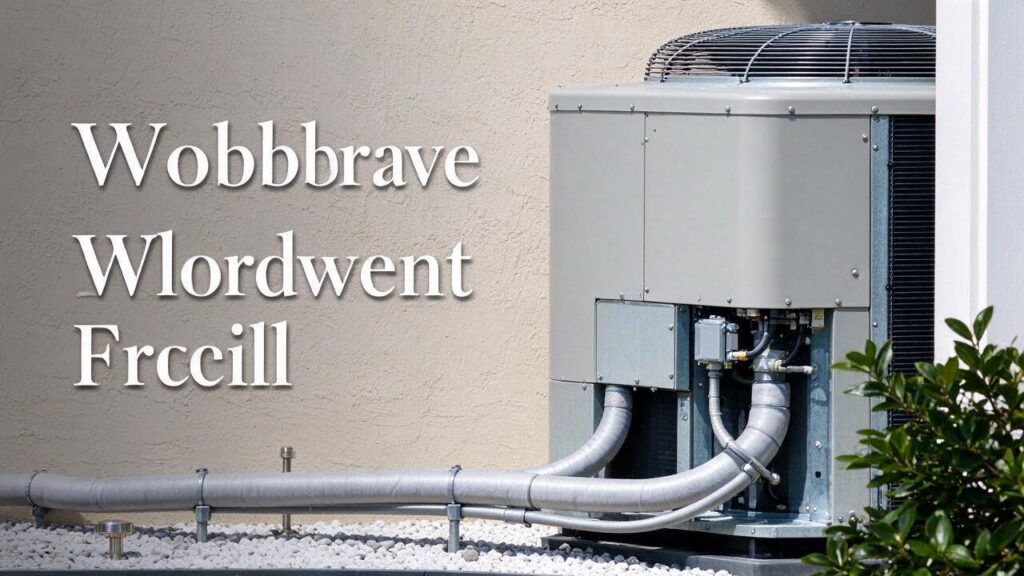
AC works at night but not during day for a likely reason: the system can keep up with cooler nighttime conditions but falls short when daytime temperatures raise the cooling load. That is an observable symptom, not a diagnosis. Several different problems can produce this pattern. Only a qualified HVAC technician with proper instruments can confirm which one applies to your system. Until then, stick to safe, external observations. Do not assume a specific part has failed.
What This Symptom Means for Your Cooling
An air conditioner does not face the same job around the clock. At night, outdoor temperatures drop. The sun is not warming your roof and walls. Your home gains warmth more slowly. During the day, especially in a hot state like Florida, the same system faces a much larger cooling demand. A system with a marginal problem may seem to work at night because the job is easier. It may then seem to fail during the day because demand exceeds what it can deliver.
So treat this symptom as a performance pattern, not a conclusion. The day-versus-night difference shows the system’s effective capacity is being challenged. It does not tell you why. Possible contributors include restricted airflow, refrigerant issues, electrical or component problems, or conditions around the outdoor unit. Each requires different measurements to confirm. Guessing can lead to the wrong repair or unsafe DIY attempts.
Cooling-cycle guidance from the U.S. Department of Energy stresses that performance depends on proper care of the whole system, not one part. That framing fits this symptom well. The day-versus-night difference points to a system-level question, not an automatic answer.
Safe Observations You Can Make Before Service
You do not need tools or training to gather useful information. Focus on what you can see, hear, and note from outside the equipment:
- When the problem appears. Note roughly when cooling falls short and how hot it is at that time, if you know.
- What the thermostat shows. Record the set temperature and the actual indoor temperature when the system struggles.
- Filter condition. If your filter is visibly loaded with dust, or has not been changed in a long time, note that. ENERGY STAR places filter checks squarely in homeowner territory.
- Airflow from vents. Notice whether airflow feels weak or uneven compared with normal. Do not open any equipment.
- The outdoor unit’s appearance. From a safe distance, note whether the outdoor fan spins normally during operation. Also note whether leaves or debris block the unit.
- Unusual sounds or smells. Note grinding, screeching, rattling, or any odor of electrical burning.
Write these observations down. They give a technician a timeline and context that a vague “it doesn’t work during the day” cannot.
Stop and request qualified help immediately if you notice smoke, an electrical burning smell, repeated breaker trips, water contacting electrical components, severe noise, or an outdoor fan that is not spinning while the system runs. Shut the system off at the thermostat and do not restart it.
Conditions That Change the Necessary Next Step
The right next move depends on what you observe. These conditions point in different directions:
- Safety stop signs present. Smoke, burning odors, repeated breaker trips, or a non-spinning outdoor fan mean stop the system. Call for professional help now rather than continuing to observe.
- Dirty filter or blocked debris only. If the only issue you find is a loaded filter or debris around the outdoor unit, addressing that basic maintenance item is a reasonable, safe step. Better airflow may change how the system performs. ENERGY STAR’s maintenance checklist treats filters, drains, coils, and blower checks as routine care, with some tasks reserved for professionals.
- Normal maintenance items look fine but the problem persists. When basic upkeep is current and daytime cooling still falls short, the next step is a diagnostic service visit. Stop troubleshooting on your own.
- The problem is new versus long-standing. A sudden change suggests something has shifted in the system. A gradual decline over seasons may point toward maintenance needs. Either way, a technician’s measurements determine the actual cause.
Do not assume any one of these conditions proves a specific failure. They change the urgency and the type of appointment you request, not the diagnosis.
What a Qualified Technician Evaluates and Measures
Confirming why a system cools at night but not during the day requires instruments, training, and safe access to components a homeowner should never open or test. A qualified technician will typically evaluate the areas where this symptom pattern can originate. These may include:
- Measuring refrigerant pressures and temperatures to check whether the refrigerant side is operating correctly. Refrigerant work requires EPA-certified handling. That is one reason this is never a homeowner task.
- Checking electrical components and controls. This includes verifying that the system draws appropriate current and that safety controls function as designed.
- Inspecting coils, blower performance, and airflow. This determines whether restricted airflow is limiting daytime cooling capacity.
- Reviewing thermostat operation and system cycling behavior across different load conditions.
Daytime failure under high load can have more than one cause. A technician may need to observe the system under conditions similar to when the problem occurs. The measurements taken during the visit, not the symptom alone, produce the diagnosis.
Choosing Your Next Decision: Repair, Maintenance, or Replacement
Once a technician has measured the system, your decision generally falls into one of three paths:
- Maintenance. If the findings point to upkeep issues such as a dirty filter, blocked coils, or drainage problems, a maintenance visit may restore normal cooling performance. Routine professional maintenance is part of the care boundaries described by ENERGY STAR.
- Repair. If a specific component has failed or is underperforming, a repair is usually the path forward. Velocity offers 24/7 repair availability. Same-day dispatch may be available when a technician is free. Velocity also states it does not add a separate night or weekend service charge, so you do not need to time your call around the clock. When manufacturer coverage remains active, warranty-aware repair practices apply. Warranty terms and registrations vary by equipment and documentation.
- Replacement. If the evidence shows the cooling system cannot be restored economically or reliably, the technician’s findings become the basis for a repair-versus-replacement conversation. That decision should rest on measured evidence about the system’s condition, not on the day-versus-night symptom by itself.
When you are ready to move forward, you can request service or learn more about air conditioning repair and air conditioning maintenance before your appointment.
How do I know whether this day-versus-night cooling problem needs service?
If basic, safe observations show nothing obviously wrong, or if you find only a dirty filter and the problem continues after addressing it, the symptom warrants a diagnostic visit. Any safety stop sign, such as smoke, burning odor, repeated breaker trips, or a non-spinning outdoor fan, means stop the system and request qualified help right away.
What information should I gather before calling?
Note when the problem occurs, what the thermostat reads, how airflow feels, whether the outdoor fan spins normally, any unusual sounds or smells, and the condition and age of your filter. This timeline helps the technician focus the diagnostic visit.
Can a homeowner safely fix this problem?
Homeowner-safe actions are limited to external observations and basic maintenance. That includes checking or replacing a filter and clearing visible debris from around the outdoor unit. Never open energized equipment, test electrical components, bypass a safety control, or handle refrigerant. Those tasks require qualified training and, for refrigerant, EPA-certified handling.
What does a technician check for this symptom?
A technician measures refrigerant pressures, electrical operation, airflow, coil and blower condition, and control behavior. Several different problems can produce the same day-versus-night pattern. These measurements, not the symptom, establish the actual cause.
When does this become a repair-versus-replacement conversation?
Only after a technician has gathered evidence about the system’s condition. If measured findings show the cooling system cannot be restored dependably, the technician’s documentation becomes the basis for comparing repair against replacement. The symptom alone is never enough to justify that decision.