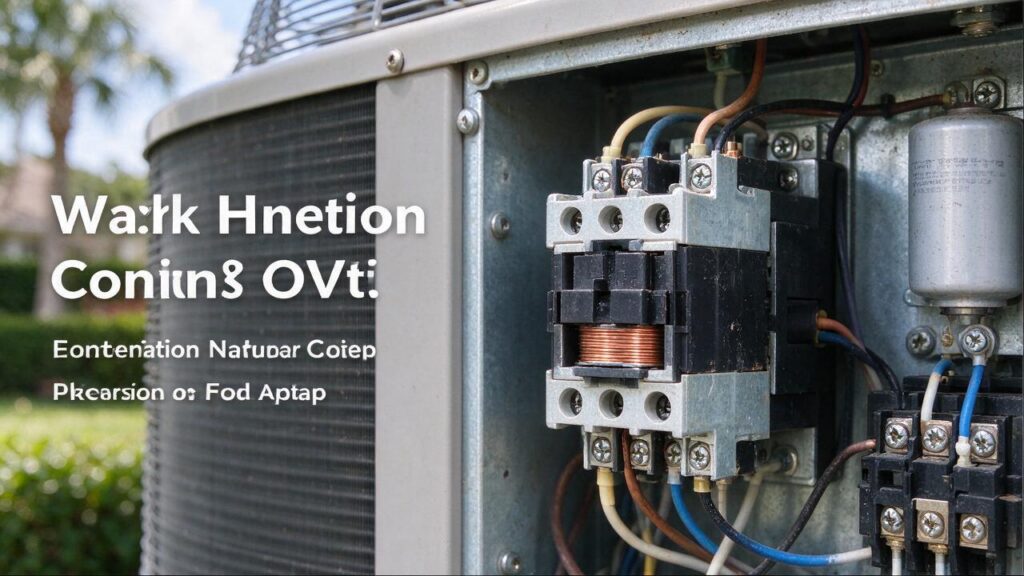
Ac wall vibration can have more than one cause. It may be a normal operating sound, or it may point to a mounting, airflow, or mechanical problem. The safe move is to note what you see and feel, stop the system if danger signs appear, and let a qualified HVAC technician measure the equipment before anyone calls it a diagnosis. This page separates what you can safely check from the work that belongs to a trained pro.
When a Sound or Odor Is a Stop Sign
Some signs mean you should stop the system and request qualified help right away. Do not keep observing if you notice any of the following:
- Smoke or an electrical burning smell from the indoor or outdoor unit, or from the wall near it.
- Repeated breaker trips after the system restarts.
- Unsafe water contact — water where electricity is present, or water dripping onto electrical parts.
- Severe or suddenly worse noise, such as loud banging, grinding, or violent shaking.
- A non-spinning outdoor fan while the system runs.
Any of these changes the decision at once. The next step is professional service, not more homeowner checks. Velocity offers 24/7 repair availability. Same-day dispatch may be available when a technician is free. Velocity states it does not add a separate night or weekend service charge.
What Ac Wall Vibration Means in Plain Terms
“Ac wall vibration” is a shaking, buzzing, or humming feeling you notice in a wall, panel, or surface tied to your cooling equipment. It falls into two broad groups:
- Normal operating sound. Compressors, fans, and motors all make some vibration while running. A steady hum that has always been there, and does not change, is often just the system at work.
- A warning sign. Vibration that is new, getting louder, odd in rhythm, or paired with rattling, buzzing, or visible movement is worth a closer look.
The key point is change. A vibration that is new, different, or growing is the kind that usually justifies a service call. A vibration that has been constant since install may not need action — but only an on-site check can confirm which case you have.
Safe Observations You Can Make
Before calling, you can gather useful facts. Do not open any equipment or touch electrical parts. Safe observations include:
- When it happens: all the time, only at startup, only at shutdown, or only in certain modes.
- Where you feel it: the wall behind the indoor unit, the outdoor pad, the refrigerant lines, or the ducts.
- What it sounds like: a steady hum, a rattle, a buzz, or a bang.
- Whether anything is loose: a loose panel cover, a loose bracket, or debris like leaves or twigs touching the outdoor unit. You can see and gently clear these from the outside. No disassembly.
- Whether cooling has changed: is the air still cold, is airflow weak, or is there ice on the lines or coil? If you suspect a frozen coil, standard manufacturer guidance is to stop running the system, let it thaw, and arrange service.
Write these notes down. They shorten the diagnostic talk and help the technician arrive with the right context.
Observation Versus Diagnosis
It is tempting to read a symptom and decide a part has failed. Resist that. Wall vibration alone does not prove a bad compressor mount, a bad motor, loose ducts, or any single part. Possible causes and a confirmed diagnosis are not the same thing:
- Possible causes are the range of ideas a technician will weigh — from normal operation to loose hardware, airflow problems, or wear.
- A confirmed diagnosis needs measurements: electrical tests, airflow readings, refrigerant checks, and a physical look at mounts, panels, and moving parts.
Every cause here is stated as a possibility on purpose. A qualified technician measures the system before naming the problem. Any advice you follow should do the same.
What a Qualified Technician Distinguishes
When a tech evaluates wall vibration, the visit sorts out several questions that look alike from the outside:
- Source of the vibration: is it in the equipment, the mount or pad, the ducts, or something the unit passes into the structure?
- Electrical condition: electrical testing is technician-only work. Never open energized equipment, test capacitors, or bypass a safety control.
- Refrigerant condition: refrigerant work requires EPA-certified handling practices, which apply whenever that work is done.
- Mechanical condition: fan motors, compressor operation, and mounting hardware get a physical inspection, not a guess from a sound description.
This is also where repair-versus-replacement evidence comes from. That choice depends on what the inspection and measurements show — not on the symptom label.
Avoiding Repeat Problems
Once the immediate question is settled, a few habits lower the chance of vibration issues coming back:
- Keep up with routine maintenance. Cooling-cycle basics and regular care are core to keeping equipment running as designed, per U.S. Department of Energy cooling guidance.
- Act on small changes early. A new rattle or buzz is easier to resolve before it becomes severe noise or a shutdown.
- Keep the outdoor unit clear. Debris contact is a visible, preventable source of noise and vibration.
- Use warranty-aware repair practices. When manufacturer coverage is still active, repairs done with warranty terms and records in mind protect that coverage. Terms and registration vary by equipment and documentation.
Florida cooling demand means systems often run long hours in hot weather. That is useful context for why small changes deserve attention — though every building and system has its own conditions, and no single claim fits all of them.
Call Preparation Checklist
Before you request service, have this ready so the visit starts with facts:
- When the vibration started and whether it has changed.
- Where you feel it and what it sounds like.
- Whether cooling, airflow, or ice has changed.
- Whether any stop sign has occurred — burning smell, breaker trips, water, severe noise, or a stopped fan.
- Notes from past service or maintenance visits.
Focused FAQs
How do I know if ac wall vibration needs service?
If the vibration is new, worse, or paired with rattling, buzzing, weak cooling, or ice on the lines, arrange service. If any stop sign appears — smoke, burning odor, repeated breaker trips, unsafe water contact, severe noise, or a non-spinning outdoor fan — stop the system and request qualified help right away.
What should I gather about ac wall vibration before calling?
Note when it happens, where you feel it, what it sounds like, whether cooling has changed, and whether anything visible is loose or touching the outdoor unit. These safe observations give the technician a strong starting point.
Can a homeowner safely fix ac wall vibration?
Safe limits are visual checks and clearing loose debris from the outside of the outdoor unit. Do not open energized equipment, test capacitors, bypass safety controls, or handle refrigerant. Electrical and refrigerant work are technician-only, and refrigerant handling requires EPA-certified practices.
What does a technician check for ac wall vibration?
A qualified tech finds the vibration source, inspects mounts and mechanical parts, runs electrical tests, and checks refrigerant condition with proper certification. The diagnosis comes from those measurements, not from the symptom alone.
When does ac wall vibration become a repair-versus-replacement talk?
That talk follows the technician’s findings — equipment condition, the type of fault, and any remaining manufacturer coverage. Because warranty terms vary by equipment and records, the choice rests on verified inspection results, not the vibration itself.
If wall vibration in your home has changed, worsened, or come with any stop sign above, air conditioning repair from a qualified technician is the safe next step. You can also request service to have the system measured and the real cause confirmed.