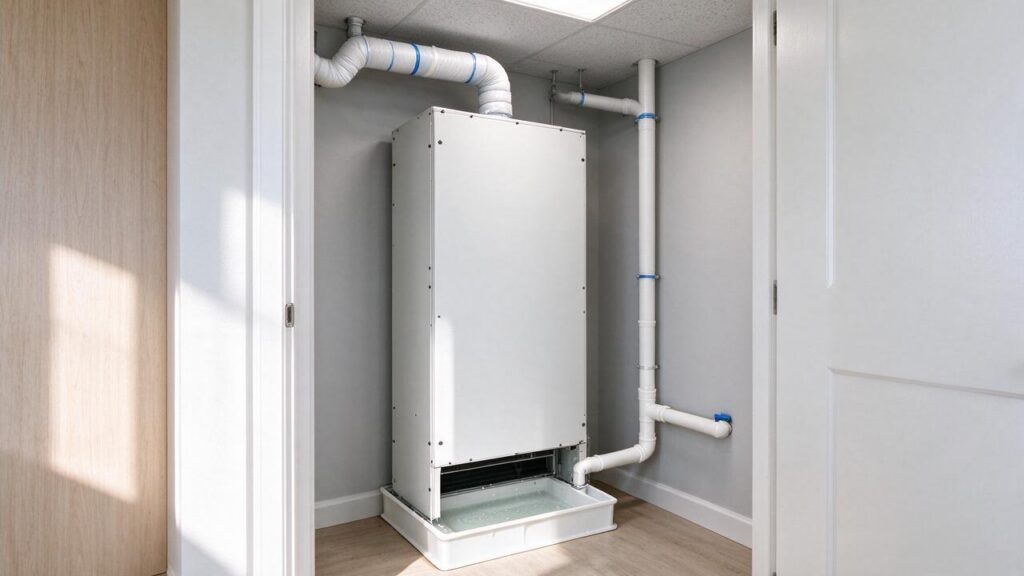
When your AC uses too much electricity, the cause could be a clogged filter, dirty coils, a worn part, duct losses, or a system that no longer matches your home’s cooling load. The symptom alone does not tell you which one it is. What you can do safely today is simple: make a few observations, stop the system if you see danger signs, and let a qualified technician measure the system before any repair or replacement decision.
What “AC Uses Too Much Electricity” Actually Means
This symptom usually shows up in one of two ways. Your electric bill is noticeably higher during cooling season. Or the system runs longer and harder than it used to for the same comfort. Both are observations, not diagnoses.
Higher energy use can point to restricted airflow, dirty coils, thermostat or control issues, refrigerant problems, or duct losses. Heavy cooling demand during hot Florida weather can also play a role. The U.S. Department of Energy notes that cooling-cycle operation and regular maintenance both affect how efficiently a cooling system runs. That is why the cause has to be measured, not guessed.
It also helps to separate the symptom from the label on the equipment. An efficiency rating describes how a unit performed under test conditions, not how it performs in your home today. A high-efficiency unit with a dirty filter can still use more power than expected. Do not assume the rating alone explains or rules out the problem.
Safe Observations You Can Make Before Service
A few checks do not require opening equipment or touching anything electrical or refrigerant-related:
- Filter condition. ENERGY STAR’s maintenance guidance places filter checks in the homeowner’s lane. A visibly loaded filter restricts airflow. Restricted airflow is one plausible contributor to longer run times.
- Thermostat settings. Confirm the schedule, setpoint, and mode are what you intend. A setting that runs the system nonstop will raise usage on its own.
- Debris around the outdoor unit. Leaves, grass clippings, or crowding plants can block airflow. Looking is safe. Disassembling or cleaning coils is professional work.
- Condensate drain signs. Water where it should not be, or a drain line that looks clogged, is worth noting for your technician.
- Run-time patterns. Note when the system runs longest and whether cooling keeps up on the hottest days.
Stop the system and request qualified help right away if you notice smoke, an electrical burning smell, repeated breaker trips, unsafe water contact with electrical parts, severe noise, or an outdoor fan that is not spinning. These are safety stop signs, not clues to work around.
What Changes the Answer
The right next step depends on conditions only you and your technician can establish together:
- System age and service history. A newer, well-maintained system with high usage points to a different conversation than an older system with a long gap since its last tune-up.
- Maintenance status. If filters, coils, drains, and blower checks have been neglected, maintenance may be the right first move before any repair talk.
- Usage patterns and cooling demand. Florida’s long cooling season means heavy run hours are normal context. But every building’s load, ductwork, and equipment differ, so no universal claim applies.
- What the measurements show. Electrical readings, refrigerant measurements, and airflow tests can turn a list of possibilities into a confirmed diagnosis.
What a Qualified Technician Evaluates
A technician’s evaluation goes beyond what a homeowner can safely observe. Typical professional checks include verifying airflow and blower operation, inspecting coils and drains, testing controls and electrical parts, and measuring refrigerant conditions. Any refrigerant work must follow EPA-certified handling practices. Repairs on equipment under active manufacturer coverage should follow warranty-aware practices, since terms and registrations vary by equipment and documentation.
Here is the boundary that matters. Until those measurements are taken, everything in this article is a possibility, not a diagnosis. A technician who measures the system can tell you which possibility is actually present.
The Next Decision: Maintenance, Repair, or Replacement
Once you have real evidence, the decision path usually becomes clear:
- Maintenance first when findings point to neglected filters, coils, drains, or blower performance that a tune-up can address.
- Repair when a specific, measurable fault is confirmed and the evidence supports fixing it, especially while manufacturer coverage remains active.
- A repair-versus-replacement conversation when the findings, system age, and measured performance together suggest that continued repairs may not be the best use of your money. This talk should be driven by evidence, not by high electric use alone.
Velocity offers 24/7 repair availability, and same-day dispatch may be available when a technician is available. Velocity states that it does not add a separate night or weekend service charge. If you are ready to move from observation to diagnosis, request service or learn more about air conditioning repair and air conditioning maintenance.
Focused FAQs
How do I know whether my AC using too much electricity needs service?
Service is warranted if higher usage comes with longer run times, weaker cooling, water where it should not be, or unusual noise. Even without those extras, a bill that keeps climbing after you have checked the filter and thermostat deserves a professional look.
What information should I gather before calling?
Note your filter’s condition, thermostat settings, when the heavy run times happen, any water or debris you can see, and roughly when the usage increase started. This helps the technician focus the visit.
Can a homeowner safely fix this problem?
Homeowners can safely check and replace filters, verify thermostat settings, and clear visible debris around the outdoor unit. Do not open energized equipment, test capacitors, bypass safety controls, or handle refrigerant. Those tasks require qualified help.
What does a technician check for high electricity use?
Expect checks of airflow and the blower, coils, condensate drain, controls, electrical parts, and refrigerant conditions, with EPA-certified handling for any refrigerant work. These measurements separate the possible causes that the symptom alone cannot.
When does this become a repair-versus-replacement conversation?
When the technician’s measurements, the system’s age, and its service history together show that a confirmed repair would not restore dependable, efficient operation. That judgment requires evidence from the system itself, not the electric bill alone.