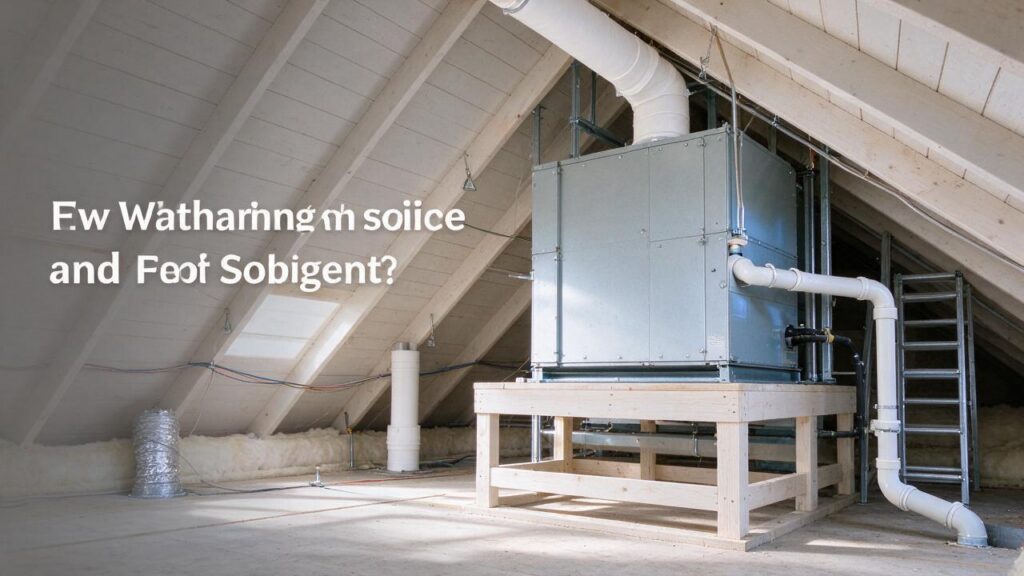
A loud air conditioner inside your house is a signal that something needs attention. The cause can be simple, like a clogged filter, or it can be a mechanical problem that needs a pro. Because many issues can make the same sound, a noise alone is not a diagnosis. The safe path is to stop the system if you see warning signs, gather a few safe observations, and let a qualified technician test the equipment before any repair decision.
What a Loud Indoor AC Unit Means
Indoor cooling equipment normally runs with a steady, familiar sound. When that sound changes — a new rattle, grind, buzz, screech, or bang from the air handler, closet, attic, or cabinet — something has changed. Unusual indoor noise can affect your comfort, the system’s efficiency, and the stress on its parts. The U.S. Department of Energy’s home cooling guidance notes that cooling systems work best when maintained and running as designed. A system that runs abnormally loud is not running as designed.
Keep two ideas separate. The noise is a symptom. The cause is something a technician confirms with tests. Many conditions can make an indoor unit loud. Guessing at one failed part from sound alone often leads to the wrong fix.
Stop Conditions: When to Shut the System Down
Before you observe anything, know when to stop. Turn the system off at the thermostat and get qualified help if you notice any of these:
- Smoke, or a burning or electrical odor, from the equipment or vents
- Repeated breaker trips when the system starts or runs
- Water where it should not be, or water near electrical parts
- Severe or growing noise, such as loud banging or metal-on-metal sounds
- An outdoor fan that is not spinning while the system runs
These conditions call for professional help, not more running time. Velocity offers 24/7 repair availability, and same-day dispatch may be available when a technician is free. Velocity also states it does not add a separate night or weekend service charge.
Safe Observations You Can Make Before Service
Once the safety checks are clear, a few non-invasive observations can make your service call more useful. ENERGY STAR’s maintenance guidance draws a clear line between homeowner tasks — like checking filters and keeping drains clear — and pro work on coils, controls, and blowers. Stay on the homeowner side of that line:
- Note the sound. Describe it: rattle, hum, screech, click, or bang. Note when it happens — at startup, during running, or at shutdown.
- Check the filter. If it is loaded with dust, note that. A restricted filter is one possible cause of airflow noise and strain, but it is not a confirmed diagnosis.
- Look at the vents. Note whether airflow from supply registers feels weak in some or all rooms.
- Check for water. Look for standing water or drips near the indoor unit. This can point to a drain issue.
- Note performance changes. Record whether cooling output, run times, or cycling have changed.
Do not open panels, remove covers, test electrical parts, touch capacitors, bypass safety controls, or handle refrigerant. Those tasks belong to a qualified technician. Refrigerant work requires EPA-certified handling.
What Changes the Next Decision
The right next step depends on conditions, not on the noise alone. Factors that change the path include:
- The sound and its timing. A hum at startup points a technician in a different direction than a screech during steady running.
- Whether cooling changed. Noise with normal cooling is a different case than noise with weak airflow or warm air.
- System age and service history. A newer system under warranty follows a warranty-aware repair path. Warranty terms and registrations vary by equipment and paperwork.
- Whether maintenance is current. A system with overdue filter changes presents differently than a well-kept one.
- Any stop conditions. Burning smells, breaker trips, or severe noise move the decision straight to shutdown and a service call.
What a Qualified Technician Evaluates
A pro diagnosis replaces guesswork with evidence. Based on your observations, a technician may check airflow and filter condition, inspect the blower, test electrical parts with proper tools, check the condensate drain, evaluate the refrigerant circuit using EPA-certified practices, and confirm that controls and safety devices work. The technician’s measurements — not the sound you heard — show what failed, if anything, and what the right fix is.
Your Informed Next Decision
Once the technician has findings, the choice becomes clear:
- Symptom versus diagnosis. Confirm the noise has been traced to a verified cause before you approve any repair.
- Maintenance versus repair. Some findings call for maintenance — a filter, a drain line, a cleaning — not a part replacement.
- Repair versus replacement. When evidence supports it — such as major component findings on an older system — a repair-versus-replacement talk makes sense. Base it on verified findings, system age and history, and any active manufacturer warranty, not on the noise alone.
Florida’s cooling demand means indoor systems often run for long stretches in hot months. Fixing abnormal operation promptly helps avoid long discomfort — though every home, system, and load is different, and no single outcome applies to all.
Focused FAQs
How do I know whether a loud AC unit inside the house needs service?
Treat any new or changed indoor noise as a reason to pay attention. If you see smoke, burning odors, repeated breaker trips, unsafe water contact, severe noise, or a non-spinning outdoor fan, stop the system and get qualified help. Otherwise, make the safe observations above and schedule a pro evaluation rather than waiting.
What information should I gather before calling?
Write down the type of sound, when it occurs, whether cooling changed, whether the filter is loaded, whether water is visible near the unit, and the system’s age and last service date. These facts help the technician move from observation to diagnosis faster.
Can a homeowner safely fix a loud indoor AC unit?
Safe homeowner tasks are limited to observations: checking the filter, noting sounds, and looking for visible water. Opening energized equipment, testing capacitors, bypassing safety controls, and handling refrigerant are not safe homeowner tasks. Refrigerant work requires EPA-certified handling.
What does a technician check for a loud indoor unit?
A technician checks airflow and filter condition, inspects the blower and indoor assembly, tests electrical parts with proper tools, checks the condensate drain, evaluates refrigerant performance where needed, and confirms controls and safety devices work. The diagnosis comes from these tests, not from the sound alone.
When does a loud indoor unit become a repair-versus-replacement talk?
When verified findings involve major parts on an older system, or when repair evidence and system history make replacement the better path, the talk shifts. Base that choice on documented findings, system age, service history, and any active manufacturer warranty — never on the noise alone.
If your indoor unit has turned loud and you want a qualified diagnosis rather than a guess, request service with Velocity. You can also learn more about air conditioning repair and air conditioning maintenance in our cooling resource center.