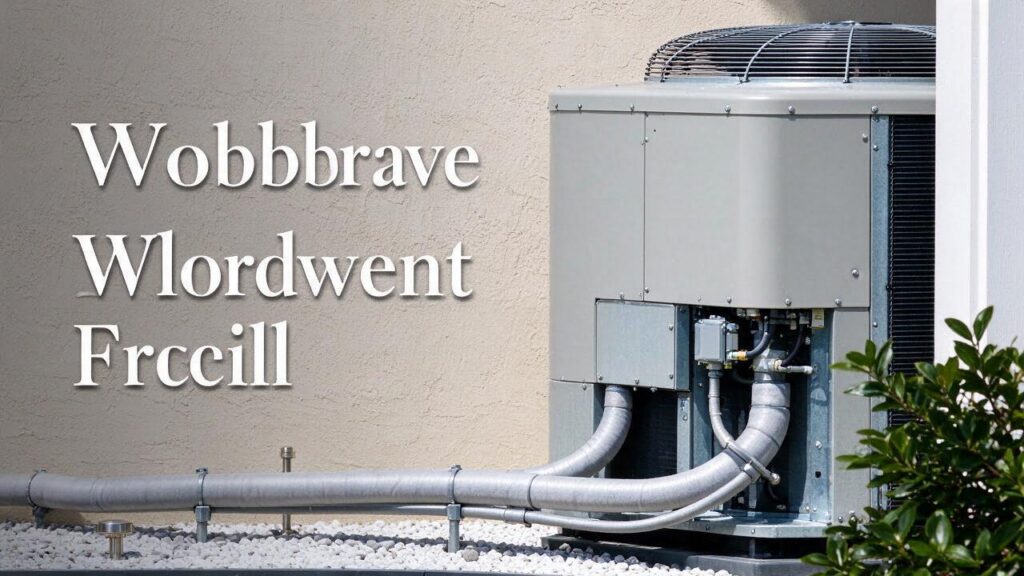
An AC unit damaged by debris may cool poorly, make strange noises, or show dents and bent parts. You might also see water or ice where it should not be. The exact cause depends on what was struck and how hard. Stop the system if you see smoke, smell burning, notice repeated breaker trips, or see a fan that will not spin. Then request qualified help. If none of those signs are present, gather safe observations from a distance. Let a qualified HVAC technician measure the system before any diagnosis is confirmed.
What “AC Unit Damaged by Debris” Means in Practical Terms
The outdoor part of a cooling system sits in the open. Falling branches, wind-blown yard waste, storm debris, or even a stray ball can strike the cabinet, the coil fins, the fan, or the lines that connect the unit to the rest of the system. “Damaged by debris” is an observation, not a diagnosis. It tells you something was hit. It does not tell you which part failed or whether the system is safe to run.
That distinction matters. A bent fan blade, crushed coil fins, a cut line, or a loose electrical connection can each follow the same impact. Each calls for a different response. The U.S. Department of Energy’s home cooling guidance notes that cooling depends on the whole cycle working together. Damage to one visible part does not tell the full story of how the system is running.
Safe Observations to Make Before Service
Before calling for service, you can collect a few facts from a distance. Do not open the cabinet, touch electrical parts, or handle refrigerant. Useful observations include:
- What struck the unit, if you know. A branch, a storm, or wind-blown debris each suggest different possible damage.
- Visible condition of the cabinet and coil area. Note dents, bent fins, loose panels, or debris resting on the unit.
- Whether the outdoor fan spins when the system runs. A fan that does not turn is a stop sign, not something to check yourself.
- Unusual sounds. Grinding, rattling, or scraping after an impact are worth noting.
- Water or ice where it should not be. Note pooling water or frost on lines without touching anything.
- System behavior. Does it cool at all, cycle oddly, or trip the breaker?
Write these down. They help the technician arrive with context instead of starting from zero.
Stop and request qualified help right away if you notice: smoke, a burning or electrical smell, repeated breaker trips, unsafe water contact with electrical parts, severe noise, or an outdoor fan that will not spin. Turn the system off at the thermostat and wait for a qualified technician. Do not restart it.
Conditions That Change the Next Decision
Not every debris event leads to the same outcome. Several conditions shift the next step:
- Safety signs present or absent. Any electrical, smoke, or non-spinning-fan symptom moves the decision straight to professional service.
- Whether the system still runs and cools. A system that seems normal after a light strike may only need cleaning. A system that struggles or makes new noises points toward repair.
- What was struck. Cosmetic cabinet damage is a different situation from damage to the fan, coil, or refrigerant lines.
- Whether refrigerant lines were affected. Refrigerant work requires EPA-certified handling. It is never a homeowner task.
- Warranty status. Terms and registrations vary by equipment and paperwork. Warranty-aware repair practices apply when manufacturer coverage is still active.
- Maintenance history. A system with recent professional care may have a clearer baseline for judging what changed after the impact.
What a Qualified Technician Evaluates
A qualified technician does more than look at the dent. ENERGY STAR’s maintenance guidance draws a clear line between homeowner tasks, such as filters and keeping the area around the unit clear, and professional checks, which include coils, drains, controls, and blower parts. After debris damage, a technician may check:
- The outdoor fan and motor for damage or blockage
- Coil condition, including bent fins and airflow limits
- Refrigerant lines, with EPA-certified handling when refrigerant work is needed
- Electrical connections, capacitors, and controls
- System pressures, temperatures, and overall cooling performance
These measurements turn an observation into a diagnosis. Until they are taken, every possible cause stays a possibility.
The Next Decision: Repair, Maintenance, or Replacement Factors
Once a technician has measured the system, the decision usually falls into one of three paths:
- Cleaning and maintenance. If debris only blocked airflow or coated the coil, and no part was damaged, professional cleaning and a maintenance visit may restore normal operation.
- Repair. If a specific part was damaged, a targeted repair is often the path. Warranty-aware practices apply when manufacturer coverage remains active.
- Repair-versus-replacement conversation. When damage is severe, when several parts are affected, or when measurements show the system cannot be restored in a cost-effective way, replacement enters the talk. This choice should rest on evidence from the evaluation, not on the debris event alone.
In Florida’s hot climate, cooling is not optional for long stretches of the year. Long downtime brings real discomfort. That makes a prompt, evidence-based decision worthwhile, though every home and system is different. No single rule fits all cases.
Focused FAQs
How do I know whether an AC unit damaged by debris needs service?
If you see any safety warning sign, such as smoke, burning smells, repeated breaker trips, severe noise, or a fan that will not spin, get qualified service right away. If the system runs but cools poorly, makes new noises, or shows damage to the fan or coil area, schedule an evaluation. If the only issue is light debris on the outside, clear it from a distance and watch performance. Call for service if anything changes.
What information should I gather before calling?
Note what struck the unit and when. Write down what you can see from a safe distance, whether the fan spins, any new sounds, any water or ice, and how cooling changed. This short list gives the technician a useful starting point.
Can a homeowner safely fix an AC unit damaged by debris?
Clearing loose debris from around the outdoor unit is generally the limit of safe homeowner action. Do not open energized equipment, test capacitors, bypass safety controls, straighten coil fins, or handle refrigerant. Refrigerant work requires EPA-certified handling. Electrical parts should only be checked by qualified professionals.
What does a technician check for an AC unit damaged by debris?
A technician checks the fan and motor, coil and fin condition, refrigerant lines, electrical connections and controls, and overall performance through pressure and temperature readings. Those findings, not the visible damage alone, set the diagnosis.
When does debris damage become a repair-versus-replacement conversation?
When the evaluation shows severe or widespread damage, or when readings show the system cannot be restored to reliable operation in a cost-effective way, replacement enters the discussion. That choice follows the evidence from the inspection, not the look of the damage alone.
If your outdoor unit has been hit by debris and you are unsure what to do next, request service with Velocity Air Conditioning. Velocity offers 24/7 repair availability, and same-day dispatch may be available when a technician is free, with no separate night or weekend service charge. You can also learn more about air conditioning repair or air conditioning maintenance before your appointment.