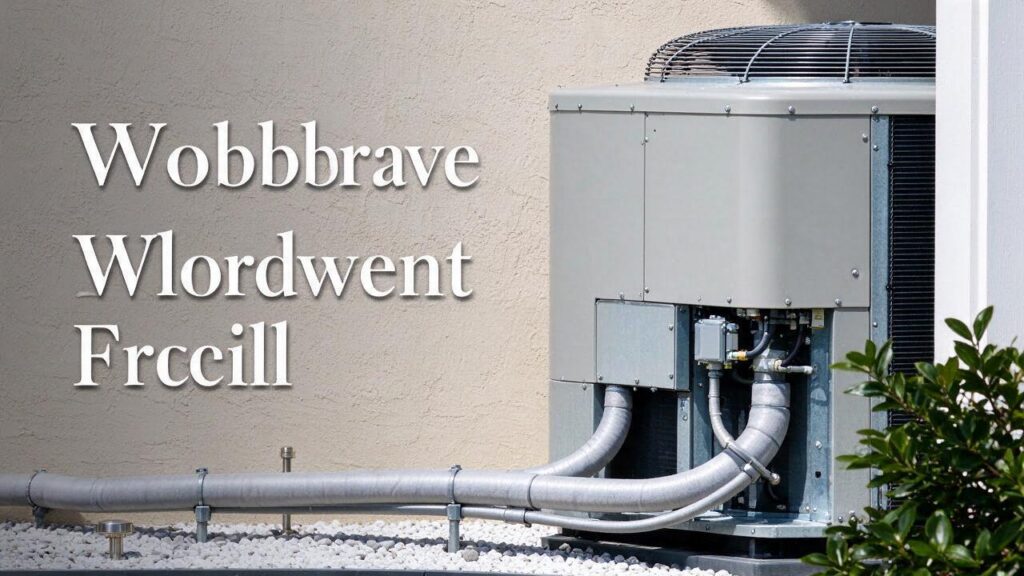
Ac takes too long to cool is a symptom, not a diagnosis. It means your cooling system is running longer than you expect to reach the thermostat setting. The reason can range from something as simple as a clogged filter to conditions that require professional measurement. Make only safe, external observations first, then let a qualified HVAC technician test the system to find the specific cause before any repair or replacement decision.
What “AC Takes Too Long to Cool” Actually Means
In practical terms, this symptom shows up in a few common ways: the system runs for very long stretches, the temperature drops slowly or stalls partway down, or some rooms catch up while others never do. None of these observations, on their own, tell you which component is responsible.
A cooling system has to move heat from your indoor air to the outdoors. That cycle depends on airflow, refrigerant performance, coil condition, and duct delivery all working together. The U.S. Department of Energy’s home cooling guidance emphasizes that cooling-cycle performance and regular maintenance are closely connected, which is why a slow-cooling complaint often starts with a maintenance review rather than a parts replacement.
What this symptom does not mean is a failed part. A long run time is a clue, not a conclusion. Several different conditions can produce the same experience, so the goal is to gather useful facts safely and then get real measurements.
Safe Observations You Can Make Before Service
You can collect genuinely useful information without opening any equipment, touching electrical components, or handling refrigerant. Stick to what you can see, hear, and read from the outside:
- Filter condition. Check whether the filter is visibly loaded with dust. A restricted filter is one of the most common contributors to weak cooling performance, and ENERGY STAR’s maintenance checklist places filter care squarely in the homeowner’s routine.
- Thermostat behavior. Note the setting, the actual room temperature, and how long the system has been running. Write down the time you first noticed the slow cooling.
- Airflow at the vents. Feel whether air is coming out at all, and whether it seems weak compared with usual. Do not open equipment to test this.
- The outdoor unit. From a distance, look for obvious blockages like leaves, grass, or debris around the outdoor cabinet, and confirm the fan appears to spin during normal operation.
- Water and drainage signs. Notice any water collecting where it should not be, since ENERGY STAR’s checklist treats drain lines as part of routine maintenance boundaries.
- Unusual sounds or smells. Note grinding, rattling, or any odor resembling electrical burning.
Keep these as written notes with times and temperatures. They are exactly the facts a technician will want, and they cost you nothing to gather.
Stop and request qualified help immediately if you notice smoke, an electrical burning smell, repeated breaker trips, water near electrical components, severe or sudden noise, or an outdoor fan that is not spinning while the system runs. Shut the system off at the thermostat and do not restart it.
Conditions That Change the Next Decision
The same complaint can point to different next steps depending on the circumstances around it. These conditions matter:
- When the symptom started. A system that has always taken a long time on extreme afternoons is a different situation from one that changed suddenly this week.
- Whether maintenance is current. If filters have not been changed recently or the system has not had professional maintenance, that changes where the investigation should begin.
- Whether the problem is constant or situational. Slow cooling only during the hottest part of a Florida afternoon may reflect heavy cooling demand rather than a fault. Florida’s cooling load is real context, but no two homes, duct systems, or pieces of equipment face identical conditions, so this cannot be assumed either way.
- Whether other symptoms appear. Warm air from vents, ice on refrigerant lines, water where it should not be, or breakers tripping each change the picture and raise the urgency.
- Whether safety stop signs are present. Any item from the stop list above moves you from “observe and schedule” to “shut down and call.”
What a Qualified Technician Evaluates
Diagnosis requires measurements homeowners cannot and should not make. A qualified technician will typically verify the items your observations could only hint at:
- Airflow and blower performance across the indoor system, including filter and coil restrictions that restrict cooling delivery.
- Coil condition on both indoor and outdoor coils, since dirt or blockage there degrades heat transfer.
- Refrigerant performance, which requires EPA-certified refrigerant handling practices whenever refrigerant work is performed. This is strictly professional territory.
- Electrical and control checks, including capacitors, contactors, and safety controls. These tests involve energized equipment and are never a homeowner task.
- Duct and delivery review where airflow problems suggest the issue is in distribution rather than the cooling equipment itself.
- Thermostat and system operation against measured temperatures, not just how the run time feels.
Only after these measurements can anyone responsibly say which cause is confirmed. Until then, every listed cause remains a possibility.
Choosing Your Next Step: Maintenance, Repair, or Replacement
Your decision path follows the evidence, not the symptom:
- Maintenance first when upkeep is behind. If filters, drains, or coils have been neglected, restoring routine maintenance is the logical starting point, and it is the boundary ENERGY STAR draws between homeowner tasks and professional service.
- Repair when a specific fault is measured. If diagnosis identifies a failed or failing component, a repair decision follows, ideally with warranty-aware practices applied when manufacturer coverage remains active. Warranty terms and registrations vary by equipment and documentation, so coverage should be confirmed for your specific system.
- Replacement only when evidence supports it. A repair-versus-replacement conversation makes sense when measured findings, equipment age, and repair context together justify it. That conversation should be driven by the technician’s findings, not by the slow-cooling symptom alone.
When you are ready for professional help, Velocity offers 24/7 repair availability, and same-day dispatch may be available when a technician is available. Velocity states that it does not add a separate night or weekend service charge. You can request service or learn more about air conditioning repair and air conditioning maintenance.
How do I know whether ac takes too long to cool needs service?
Schedule service when slow cooling persists after basic homeowner checks like a fresh filter, when the problem is new or worsening, or when any additional symptom appears, such as warm air, ice, water, or unusual noise. Any safety stop sign, including smoke, burning odor, repeated breaker trips, or a non-spinning outdoor fan, means shut the system down and get qualified help right away.
What information should I gather about ac takes too long to cool before calling?
Write down when the symptom started, the thermostat setting, the actual indoor temperature, how long the system runs, whether airflow seems weak, filter condition, any water or ice you can see, and any sounds or smells. These safe, external observations give the technician a head start without requiring you to open or test anything.
Can a homeowner safely fix ac takes too long to cool?
A homeowner can safely handle routine items within the maintenance boundary, such as replacing a dirty filter and keeping debris clear of the outdoor unit. Everything beyond that, including electrical testing, refrigerant work, opening energized equipment, or bypassing any safety control, belongs to a qualified technician. Do not attempt to diagnose a failed part from the symptom alone.
What does a technician check for ac takes too long to cool?
A technician measures airflow and blower performance, inspects coils, evaluates refrigerant performance under EPA-certified handling practices, tests electrical components and safety controls, and reviews duct delivery and thermostat operation. These measurements are what turn a symptom into a confirmed diagnosis.
When does ac takes too long to cool become a repair-versus-replacement conversation?
That conversation begins when a technician’s measured findings, combined with equipment age and repair context, show that repair is no longer the sound path. The slow-cooling symptom by itself never justifies a replacement decision; the evidence from professional diagnosis does.