When an AC takes too long to cool a house, the cause can range from a clogged filter to an equipment or airflow problem, and no single symptom confirms a diagnosis. Some causes are simple maintenance issues; others require measurements only a qualified HVAC technician can make. This guide explains what the symptom means, which observations are safe to make yourself, what changes the next decision, and what a technician must verify before any repair or replacement choice.
What “AC Takes Too Long to Cool House” Means in Practical Terms
In practical terms, this symptom means your air conditioner is running, but the house reaches your set temperature noticeably slower than you expect, or not at all within a reasonable time. That is an observation, not a diagnosis. The cooling cycle depends on several parts working together: airflow through the filter and coils, refrigerant moving heat outdoors, and a blower distributing conditioned air through the ductwork. The U.S. Department of Energy describes cooling-system operation and maintenance as interconnected basics, which is why a slowdown anywhere in that chain can look like the same symptom from inside the house.
Because several different problems can produce the same slow-cooling experience, treat what you see as evidence to collect, not a conclusion to act on.
Safe Observations to Make Before Calling for Service
You can gather useful, safe facts without opening any equipment or touching electrical components:
- Filter condition. ENERGY STAR’s maintenance guidance places filter checks squarely in the homeowner’s range. A visibly loaded filter restricts airflow and is one of the most common contributors to slow cooling.
- Thermostat settings. Confirm the mode, fan setting, and set temperature are what you intend.
- Supply and return airflow. Note whether air is coming from the vents and whether it feels weak at some registers compared with others.
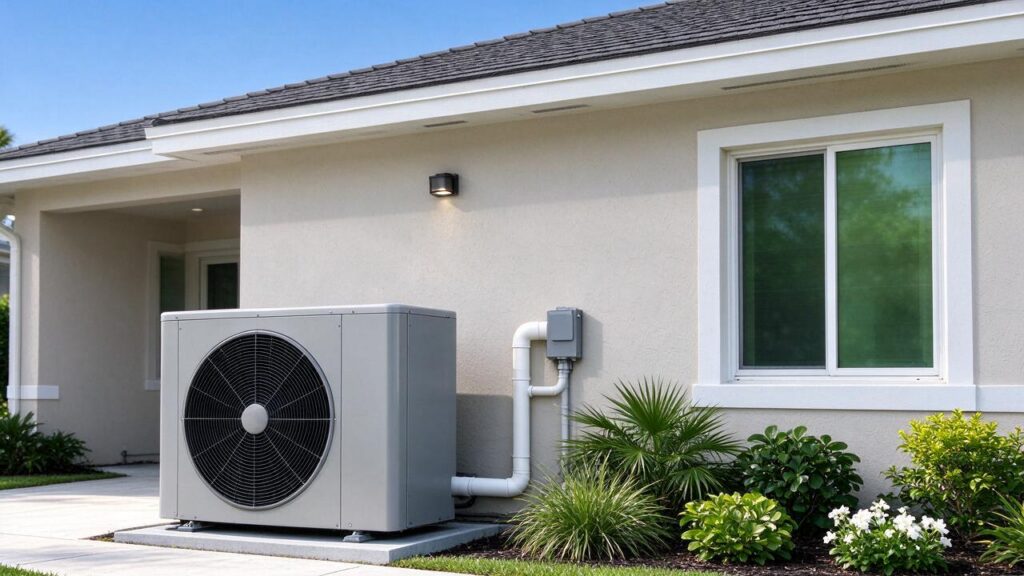
- Outdoor unit condition. From a distance, look for visible debris, leaves, or vegetation crowding the outdoor unit. Do not open or disassemble anything.
- Timing and pattern. Write down when the slow cooling happens, how long it has been going on, and whether it is worse at certain times of day.
- Drain and visible water issues. ENERGY STAR’s maintenance checklist also covers drain lines. If you see water where it should not be, note it and stop there.
These notes give a technician a faster, more accurate starting point.
Stop and request qualified help immediately if you notice smoke, an electrical burning smell, repeated breaker trips, unsafe water contact with equipment, severe or sudden noise, or an outdoor fan that is not spinning. Turn the system off at the thermostat and do not restart it.
Conditions That Change the Next Decision
The same symptom can point in different directions depending on context. Conditions that change the answer include:
- How long the problem has existed. A sudden change suggests a different path than a gradual slowdown over weeks.
- Whether maintenance is current. A system with overdue filter changes and no recent professional maintenance is a different situation from a well-maintained one.
- Extreme outdoor heat. In Florida’s hot climate, cooling demand is high, and a system working through very hot afternoons may cool more slowly without any fault. That does not mean every home, building, or system faces the same load or conditions.
- Whether the system runs constantly or cycles off. Both patterns are observations worth reporting, and they mean different things to a technician.
- Any safety stop signs. The warning signs listed above override every other consideration and move you straight to professional service.
What a Qualified Technician Evaluates
Several plausible causes fit this symptom, but only measurements can distinguish them. A qualified technician may evaluate refrigerant pressures, airflow and blower performance, coil condition, electrical components, controls, and ductwork delivery. ENERGY STAR draws a clear line between homeowner maintenance tasks and professional checks of coils, controls, and blowers, and that boundary matters here.
Two boundaries are especially important:
- Refrigerant work requires EPA-certified handling. Refrigerant is not a homeowner-serviced item, and low refrigerant is only one possible cause among several.
- Never open energized equipment, test capacitors, bypass a safety control, or handle refrigerant yourself. These steps involve real electrical and pressure hazards.
Until a technician measures the system, treat every possible cause as a possibility, not a confirmed diagnosis.
The Next Decision: Maintenance, Repair, or Replacement
Once evidence exists, the decision usually follows one of three paths:
- Observation versus diagnosis. Your notes describe what you saw; a technician’s measurements produce the diagnosis. Keep the two separate so the repair targets the confirmed cause.
- Maintenance versus repair. If the evidence points to restricted airflow, dirty coils, or overdue professional maintenance, a maintenance visit may resolve the symptom. If a component has failed, repair is the path.
- Repair versus replacement. When evidence supports it, a technician can lay out the condition of major components and the case for continued repairs versus replacement. That conversation should rest on measured findings, not on the slow-cooling symptom alone.
Warranty-aware repair practices apply when manufacturer coverage remains active, and warranty terms and registrations vary by equipment and documentation, so coverage should be confirmed for your specific system.
Getting Help from Velocity
Velocity offers 24/7 repair availability, and same-day dispatch may be available when a technician is available. Velocity states that it does not add a separate night or weekend service charge. If your system shows any safety stop sign, or if your safe observations point to a problem beyond filter maintenance, request service so a qualified technician can measure the system and confirm the cause.
Focused FAQs
How do I know whether an AC taking too long to cool the house needs service?
If the slowdown persists after you have checked the filter and thermostat settings, or if it appears alongside weak airflow, water where it should not be, unusual noise, or any safety stop sign, service is warranted. A symptom alone cannot tell you which part is at fault; a technician’s measurements can.
What information should I gather before calling?
Write down when the slow cooling started, whether it is constant or time-of-day dependent, the filter’s condition, thermostat settings, airflow strength at the vents, anything visible near the outdoor unit, and any water or noise observations. This record shortens the diagnostic process.
Can a homeowner safely fix an AC that takes too long to cool?
Safe homeowner actions are limited to checks like filter condition, thermostat settings, and visual observations from a distance. Homeowners should not open energized equipment, test capacitors, bypass safety controls, or handle refrigerant. Anything beyond basic maintenance boundaries belongs to a qualified technician.
What does a technician check for this symptom?
A technician evaluates refrigerant pressures, airflow and blower performance, coil condition, electrical components, controls, and how well ductwork delivers conditioned air. These measurements separate plausible causes from a confirmed diagnosis.
When does this become a repair-versus-replacement conversation?
When a technician’s evidence shows major components are aging, failing repeatedly, or that a repair would not reliably restore performance, replacement enters the discussion. That decision should follow measured findings and your equipment’s specific condition, not the symptom alone.