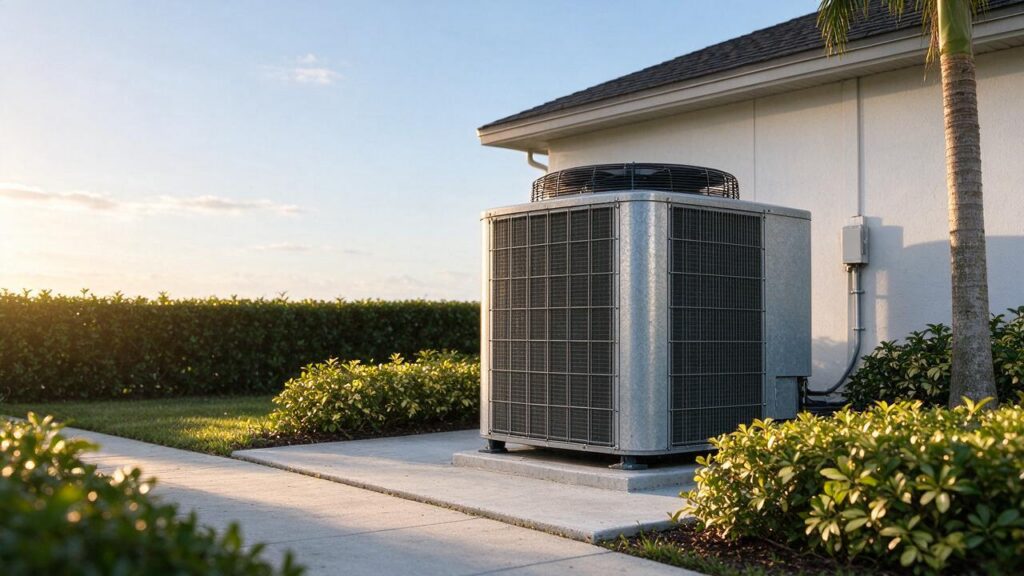
Ac system matched equipment means the indoor and outdoor parts were rated to work together as a pair. This is a description of how parts relate. It is not a diagnosis. The label alone does not confirm correct refrigerant charge, sound installation, or good performance. Your next step is to separate what you can safely observe from what a qualified technician must measure.
What “Matched Equipment” Means in Practice
Central cooling systems have two main pieces. One is the outdoor unit, often called the condensing unit. The other is the indoor section. It holds the evaporator coil and the blower that moves air. Manufacturers rate these parts to operate together. When the pairing is matched, the outdoor unit and indoor coil are meant to function as one system.
This matters for a few reasons:
- Design intent: A matched pairing is built so the coil and outdoor unit exchange heat at the rates the maker intended.
- Documentation: Matching details appear in manufacturer product specifications. Technicians use them when evaluating a system.
- Warranty context: Coverage terms vary by equipment and documentation. The pairing on your property is what counts.
What the term does not mean matters just as much. “Matched” does not promise efficiency, comfort, or long life. It does not confirm correct refrigerant charge, proper airflow, or sound installation. Two matched systems can still perform very differently. Installation quality, maintenance history, and building conditions all play a role. In Florida’s hot climate, cooling systems run long hours. Real performance matters more than the label.
Safe Observations You Can Make Before Service
You do not need tools or training to gather useful facts. These notes help a technician later:
- Filter condition: Check whether the filter is loaded with dust. The ENERGY STAR maintenance checklist treats filter care as a homeowner task.
- Thermostat behavior: Note whether the system responds to settings or cycles inconsistently.
- Airflow notes: Notice whether vents feel weak in some rooms or throughout the home.
- Outdoor unit condition: From a distance, note whether the fan runs. Note heavy debris or plants pressed against the cabinet. Do not open the panel.
- Water where it should not be: Note moisture near the indoor unit or drain line.
- Equipment labels: If it is safe and easy, photograph the model and serial labels. These help a technician confirm the actual pairing.
Safety stop signs: Stop the system and request qualified help right away for smoke, an electrical burning smell, or repeated breaker trips. Also stop for water touching electrical parts, severe or sudden noise, or an outdoor fan that is not spinning while the system runs. Do not troubleshoot through these conditions.
What Changes the Next Decision
The same starting point can lead to different outcomes. These factors shape the next step:
- Whether the pairing is actually matched: If labels show the parts were never meant to work together, that differs from a matched system with a performance problem.
- Maintenance history: A matched system with neglected filters, coils, or drains may need care rather than repair. The U.S. Department of Energy’s home cooling guidance treats routine maintenance as a foundation of cooling performance.
- Symptom type: Weak airflow, short cycling, ice on refrigerant lines, or poor cooling each suggest different possibilities. None is a diagnosis by itself.
- Age and documentation: Whether manufacturer coverage remains active shapes warranty-aware decisions.
- Building conditions: Florida cooling demand is context. But no two homes share the same load, ducts, humidity, or equipment history. Do not assume a neighbor’s outcome applies to you.
What a Qualified Technician Evaluates
Some tasks belong only to trained professionals. Do not open energized equipment, test capacitors, bypass safety controls, or handle refrigerant. Refrigerant work requires EPA-certified handling. Electrical diagnostics require qualified training.
When evaluating a system described as matched equipment, a technician may verify:
- The actual component pairing against manufacturer specifications
- Refrigerant charge and operating pressures
- Airflow and blower performance
- Electrical components and controls
- Coil and drain condition
- Whether symptoms connect to a confirmed cause
The key distinction is simple. A symptom is a possibility, not a diagnosis. Weak cooling could relate to airflow, charge, coils, controls, or ducts. Only measurements separate plausible causes from a confirmed one.
Choosing the Next Step
Once a technician has measured the system, the decision usually follows one of three paths:
| Path | When evidence points there | What it involves |
|---|---|---|
| Maintenance | The system is matched and sound, but filters, coils, or drains need attention | Routine cleaning and checks on a recurring schedule |
| Repair | A specific component or condition is confirmed as the cause | Targeted correction, with warranty-aware practices when coverage remains active |
| Replacement conversation | Evidence supports it, such as a confirmed major failure or an unmatched pairing | An estimate based on measured conditions, not the label alone |
Ask for the evidence behind any recommendation. A responsible proposal explains what was measured, what was found, and why the path follows from those findings.
Preparing for the Call
A short checklist keeps the conversation efficient:
- Write down the symptoms and when they started.
- Note filter condition and any maintenance dates you know.
- Photograph equipment labels if you can do so safely.
- List any safety concerns first.
- Have the model and serial information ready.
When you are ready, you can request service. You can also learn more about air conditioning repair and air conditioning maintenance.
Focused FAQs
How do I know whether ac system matched equipment needs service?
Look for changes in behavior: weak airflow, inconsistent cooling, unusual noise, water where it should not be, or rising run times. These are observations, not diagnoses. If a safety stop sign appears, stop the system and request qualified help. Otherwise, schedule an evaluation so a technician can measure the system.
What information should I gather before calling?
Collect the symptoms and their timing, filter condition, and any maintenance history you know. Gather the model and serial labels if safely visible. This helps the technician confirm the actual pairing and narrow possible causes faster.
Can a homeowner safely fix ac system matched equipment?
Safe tasks are limited to filter replacement and visual observations. Do not open energized equipment, test electrical parts, bypass safety controls, or handle refrigerant. Those jobs require certified or qualified handling.
What does a technician check for ac system matched equipment?
A technician verifies the component pairing against manufacturer specifications. Then they measure refrigerant charge, airflow, electrical parts, coils, and drains. The goal is to connect symptoms to a confirmed cause rather than a guess.
When does ac system matched equipment become a repair-versus-replacement conversation?
This happens when measured evidence supports it. Examples include a confirmed major component failure or an unmatched pairing that cannot perform as designed. The conversation should rest on measurements and documentation, not the “matched” label alone.