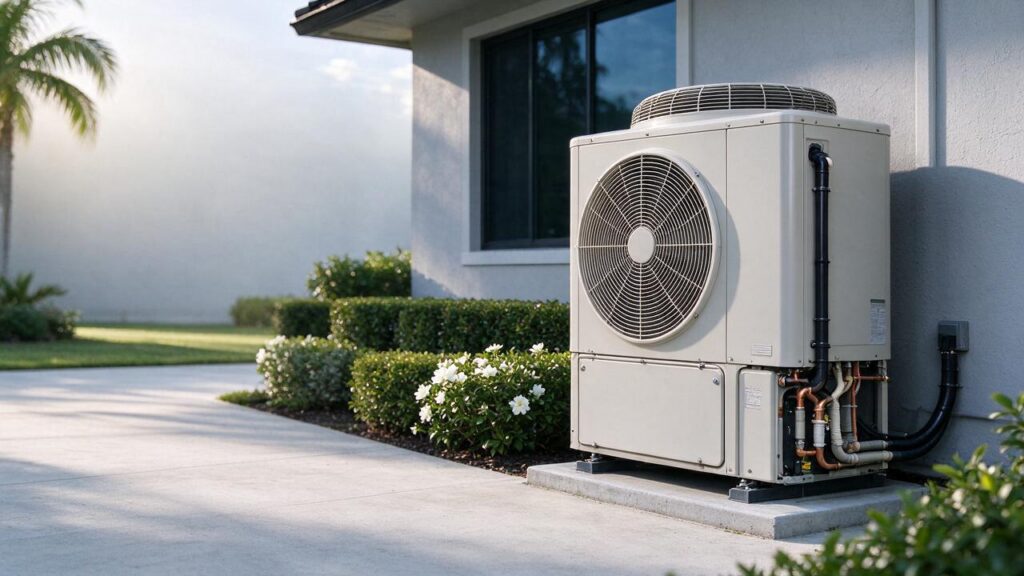
Comparing AC systems in Florida is not a single diagnosis with one answer. It is a process. You observe how your cooling system behaves. You note what you can safely check. Then you rely on a qualified technician’s measurements to decide whether the next step is maintenance, repair, or replacement. Florida’s long cooling season makes that decision matter. But the conditions in your specific home—not a statewide rule—determine the outcome.
This guide walks through that process in order: what the comparison means, what you can safely observe, what changes the answer, and what a technician must verify before any recommendation is trustworthy.
What “AC System Comparison” Means in Practical Terms
When people compare AC systems in Florida, they are usually doing one of two things. Some are weighing equipment options before a replacement. Others are comparing how their current system should perform against how it is performing. They want to know whether something is wrong.
Both paths share the same rule: an observation is not a diagnosis. Weak airflow, warm air from vents, or higher electric bills are symptoms, not conclusions. The same symptom can have several possible causes. Only measurements taken by a qualified technician can separate one cause from another. Those measurements include refrigerant pressures, temperatures, electrical readings, and airflow. Treating a symptom as a confirmed failed part often leads to the wrong repair or an unnecessary replacement.
Safe Observations You Can Make Before Service
You do not need tools or technical training to gather useful information. These observations are safe and genuinely help a technician:
- Airflow: Is air from the vents noticeably weaker in some rooms or throughout the home?
- Filter condition: Check whether the filter is visibly loaded with dust. A restricted filter is one of the most common and simplest issues affecting cooling performance.
- Sounds: Note new or unusual noises, such as grinding, rattling, or buzzing, and when they occur.
- Cycling: Does the system run much longer than it used to, or turn on and off more often?
- Water: Look for water or moisture around the indoor unit. This can point to a drain or other issue worth reporting.
- Outdoor unit: From a safe distance, note whether the outdoor fan appears to be spinning during operation.
Basic homeowner maintenance fits within the boundaries described by ENERGY STAR. That means filters, drains, coils, and keeping the area around equipment clear. Anything beyond that boundary belongs to a professional.
Stop and request qualified help immediately if you notice smoke, a smell of electrical burning, repeated breaker trips, unsafe water contact with electrical equipment, severe noise, or an outdoor fan that is not spinning. Turn the system off at the thermostat. Do not restart it until it has been inspected.
What Changes the Answer
The same observation can point toward very different next steps depending on context. These conditions shift the decision:
- System age: An older system with new symptoms is evaluated differently than a newer one with the same symptom.
- Repair history: A pattern of repeated repairs changes the repair-versus-replacement math in a way a single issue does not.
- Energy use patterns: A gradual rise in cooling costs tells a different story than a sudden change after a storm or a service event.
- Comfort pattern: Problems in one room suggest different possibilities than problems throughout the whole home.
- Recent changes: A new filter size, closed vents, landscaping near the outdoor unit, or recent construction can all affect performance.
Florida’s cooling demand is relevant context. Systems here work hard and run long hours. But no article can assume every Florida home has the same load, humidity, ductwork, or equipment conditions. Your home’s specifics are exactly what the technician’s measurements are for.
What a Qualified Technician Evaluates
Moving from observation to diagnosis requires measurements a homeowner should never attempt. A qualified technician typically evaluates:
- Refrigerant circuit performance: Pressures and temperatures that show whether the cooling cycle is operating as designed. Any refrigerant work must follow EPA-certified handling practices.
- Electrical components: Capacitors, contactors, motors, and connections tested with proper instruments—not by opening panels or touching parts yourself.
- Airflow and ductwork: Measured airflow, static pressure, and duct condition. Duct leaks can mimic equipment problems.
- Coils and drains: Coil condition and condensate drainage, which affect both performance and water damage risk.
- Controls and safety devices: Thermostat operation and the safety controls that protect the equipment.
When a replacement proposal is on the table, an estimator should verify load calculations and existing duct and electrical conditions. Quoting from the old system’s size alone is not enough. Warranty-aware repair practices also apply when manufacturer coverage remains active. Warranty terms and registration requirements vary by equipment and documentation, so coverage should be confirmed for your specific system.
Choosing the Next Decision
Once evidence is in hand, the decision usually falls into one of three paths:
| Evidence points to… | Typical next step | Why it fits |
|---|---|---|
| Dirt, restricted airflow, or neglected upkeep | Maintenance and cleaning | Restores performance without major work when nothing is failed |
| A specific failed or degraded component | Targeted repair | Sensible when the rest of the system is sound and coverage may apply |
| Age, repeated repairs, and declining performance together | Replacement evaluation | Justified when evidence—not a single symptom—supports it |
Notice that none of these paths can be chosen from a symptom alone. The comparison that matters is between what your system is doing and what measurements say it should be doing.
How Velocity Air Conditioning Fits the Next Step
When you are ready for professional eyes on the system, Velocity offers 24/7 repair availability. Same-day dispatch may be available when a technician is available. Velocity states that it does not add a separate night or weekend service charge, so an after-hours call does not carry an added surcharge. EPA-certified refrigerant handling practices apply whenever refrigerant work is performed. Warranty-aware repair practices apply when manufacturer coverage remains active.
To make that call productive, have a few facts ready. Note the symptoms you observed and when they started. Check the filter’s condition and last change. List any recent repairs. Know the system’s approximate age. That short list turns a vague complaint into a serviceable starting point.
Frequently Asked Questions
How do I know whether my AC system needs service?
Treat changes in airflow, cooling consistency, sounds, cycling, or water presence as signals worth a professional look. None of these alone confirms a failed part. But they are legitimate reasons to schedule an evaluation rather than wait for a complete breakdown.
What information should I gather before calling?
Note the symptoms and when they began. Check the filter’s condition. Record any unusual sounds or water. List recent repairs, and know the system’s approximate age. This is the safe-observation list above—no tools or disassembly required.
Can a homeowner safely fix this kind of problem?
Safe homeowner actions are limited to filter changes, keeping the area around equipment clear, and observing. Do not open energized equipment, test capacitors, bypass safety controls, or handle refrigerant. Those tasks require qualified professionals, and refrigerant work specifically requires EPA-certified handling.
What does a technician check during an evaluation?
A qualified technician measures refrigerant circuit performance, tests electrical components, evaluates airflow and ductwork, inspects coils and drains, and verifies controls and safety devices. Those measurements turn a symptom into a confirmed diagnosis.
When does this become a repair-versus-replacement conversation?
When the combination of system age, repair history, and measured performance suggests that continued repairs are not the sound path. That conclusion should come from technician evidence and an estimator’s verification of load and existing conditions—not from a single symptom or a label on the equipment.
If you are weighing your system’s behavior against what it should be doing, air conditioning repair service can provide the measurements. Or air conditioning maintenance can address upkeep-related causes. When you are ready to move from observation to evidence, request service and describe what you have noted.