An AC extended warranty is a service agreement. It can cover repair or replacement costs after the maker’s original warranty ends. It is a contract question and a cooling question at the same time. The warranty may change who pays for a repair. It never tells you what is wrong with your system. The safe path is simple: make only basic observations, keep your documents handy, and let a qualified technician measure and diagnose the system before any repair or replacement decision.
What an AC Extended Warranty Means for Your System
Extended warranty coverage varies by contract, provider, equipment, and records. Some agreements cover parts only. Some cover parts and labor. Some exclude certain components or require proof of maintenance. The only reliable source for what your agreement covers is the contract itself and the administrator listed on it.
It helps to separate three ideas that often get blurred together:
- Coverage: what the agreement will pay for, per its written terms.
- Diagnosis: finding the true cause of a cooling problem. This requires measurements a qualified technician performs.
- Authorization: the step where the warranty administrator approves covered work before it proceeds.
A common mistake is assuming a warranty means a repair is automatically covered. Another is assuming a symptom alone proves a part has failed. Neither is true. Coverage is confirmed against written terms. Diagnosis is confirmed against measured evidence.
Safe Observations a Homeowner Can Make
Before you call anyone, note a few safe things. Do not open equipment or handle refrigerant. These notes help a technician. They also help document the system’s condition if a claim is involved.
- Write down the model and serial numbers from the data plates on both units.
- Find your warranty documents, purchase date, and any registration confirmation.
- Check whether the filter is visibly loaded with dust. Note when it was last changed.
- Note the general behavior: poor cooling, odd cycling, new noises, or no start at all?
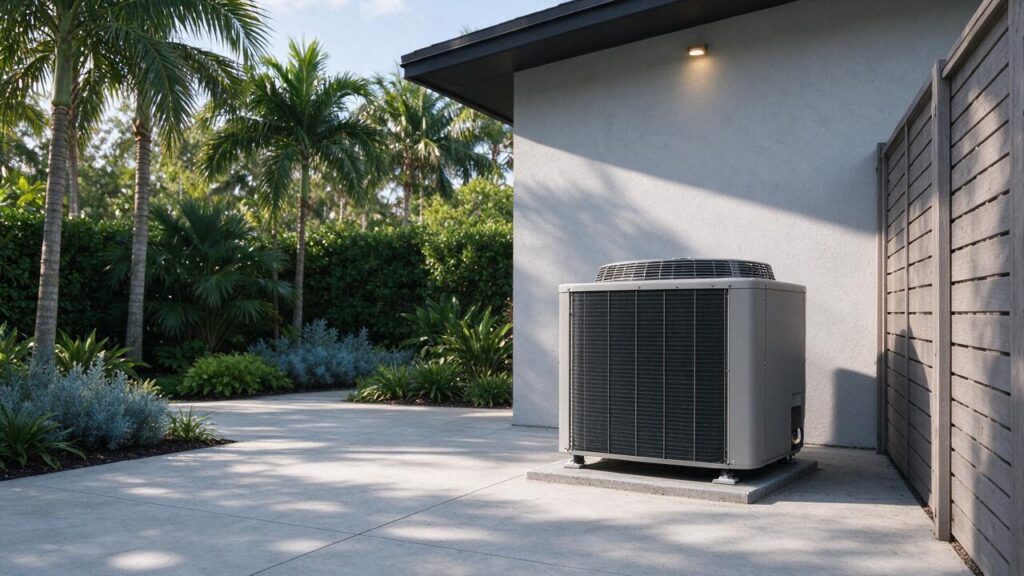
- Check that the outdoor unit is not blocked by debris, plants, or leaves.
- Look for water where water should not be, such as stains or pooling near indoor equipment.
Routine homeowner maintenance boundaries are well established. Filter changes and keeping drains and coils accessible for service are homeowner territory. Coil cleaning, controls, and blower checks belong to professional visits. This matches the maintenance boundaries described by ENERGY STAR. The U.S. Department of Energy likewise notes that regular maintenance supports cooling-system operation over time.
Stop the system and request qualified help right away if you notice smoke, an electrical burning smell, repeated breaker trips, unsafe water contact with electrical equipment, severe or sudden noise, or an outdoor fan that is not spinning. Do not troubleshoot these yourself.
What Changes the Next Decision
Two separate questions shape what happens next. Keep them apart.
The warranty question
- Is the system still within the extended warranty period?
- Does the agreement require a specific company or contractor type?
- Does coverage depend on proof of maintenance or a registered product?
- Does it cover parts, labor, or both? Are there exclusions?
The equipment question
- What is causing the problem? Only measurement can confirm this.
- Is it a maintenance issue, or a failed component?
- Is the rest of the system in good shape, or are there several aging issues?
One symptom can have more than one cause. Weak cooling might relate to airflow, a component, or something else. Telling a warranty administrator a confirmed diagnosis before a technician measures the system can hurt a claim. Keep it factual: describe what you saw, not what you think failed.
What a Qualified Technician Evaluates
A technician’s diagnostic work goes far beyond what a homeowner can safely observe. Depending on the symptoms, a technician may check airflow and filters, inspect coils and drains, verify controls and wiring, check blower operation, and take refrigerant-side measurements. Refrigerant work must follow EPA-certified handling practices. That is one reason it is never a do-it-yourself task.
If manufacturer coverage is active, warranty-aware repair practices apply. That usually means documenting findings, using compliant parts and procedures where required, and following the administrator’s process so covered work is not jeopardized. If you have an extended warranty, mention it when you request service so the visit is documented properly.
Velocity offers 24/7 repair availability. Same-day dispatch may be available when a technician is free. Velocity states that it does not add a separate night or weekend service charge.
Maintenance, Repair, or Replacement: Choosing the Next Step
Once a technician has measured the system, the decision usually falls into one of three paths.
| Path | When it fits | What supports it |
|---|---|---|
| Maintenance | The system is healthy but overdue for routine care. | Restricted airflow, dirty filter, or general decline with no confirmed part failure. |
| Repair | A specific fault is confirmed and repair makes sense. | Measured diagnosis, warranty terms that may apply, and equipment otherwise in good shape. |
| Replacement discussion | Evidence supports it, not age alone. | Several confirmed issues, parts availability concerns, or documented findings weighed against repair costs. |
Repair versus replacement should be an evidence-based conversation. Age and warranty status are context. The deciding factors are the confirmed diagnosis, the condition of the rest of the system, and the written terms of any coverage. In Florida, long cooling run hours put wear on equipment, so regular professional maintenance matters. Even so, every building and system is different, and no single rule fits all homes.
Call-Preparation Checklist
Having this information ready makes any service call or warranty inquiry faster and clearer:
- Model and serial numbers from both units.
- Warranty documents, purchase date, and registration confirmation.
- A short written note of what you observed and when it started.
- Filter size and the date it was last changed.
- Any prior repair invoices or maintenance records.
Frequently Asked Questions
How do I know if an AC extended warranty issue needs service?
Any cooling problem that affects comfort or safety deserves attention. The warranty and the diagnosis are separate matters. If you see smoke, burning smells, repeated breaker trips, severe noise, or a non-spinning outdoor fan, stop the system and request qualified help. Otherwise, gather your notes and documents and schedule a professional diagnosis.
What information should I gather before calling?
Collect the model and serial numbers, your warranty documents and purchase date, a factual note of the symptoms and when they began, the filter’s last change date, and any past service records. Describe what you saw. Do not guess at a failed part.
Can a homeowner safely fix an extended-warranty cooling problem?
Safe homeowner actions are limited to observations and basic tasks like filter changes. Do not open energized equipment, test capacitors, bypass safety controls, or handle refrigerant. Diagnosis and repair require a qualified technician. Refrigerant work requires EPA-certified handling.
What does a technician check for an extended-warranty claim?
A technician evaluates the system with measurements: airflow, filters, coils, drains, controls, wiring, blower operation, and refrigerant-side readings as needed. Findings are documented so any claim rests on evidence, not a symptom description.
When does an extended warranty become a repair-versus-replacement conversation?
When a confirmed diagnosis, the system’s overall condition, and the written warranty terms point that way together. Several confirmed problems, or findings that make repair impractical, can shift the talk toward replacement. That choice should follow documented evidence, not the warranty label or age alone.
If you are ready for a professional diagnosis, request service with Velocity. You can also learn more about air conditioning repair and air conditioning maintenance in our cooling resource center.